Overview
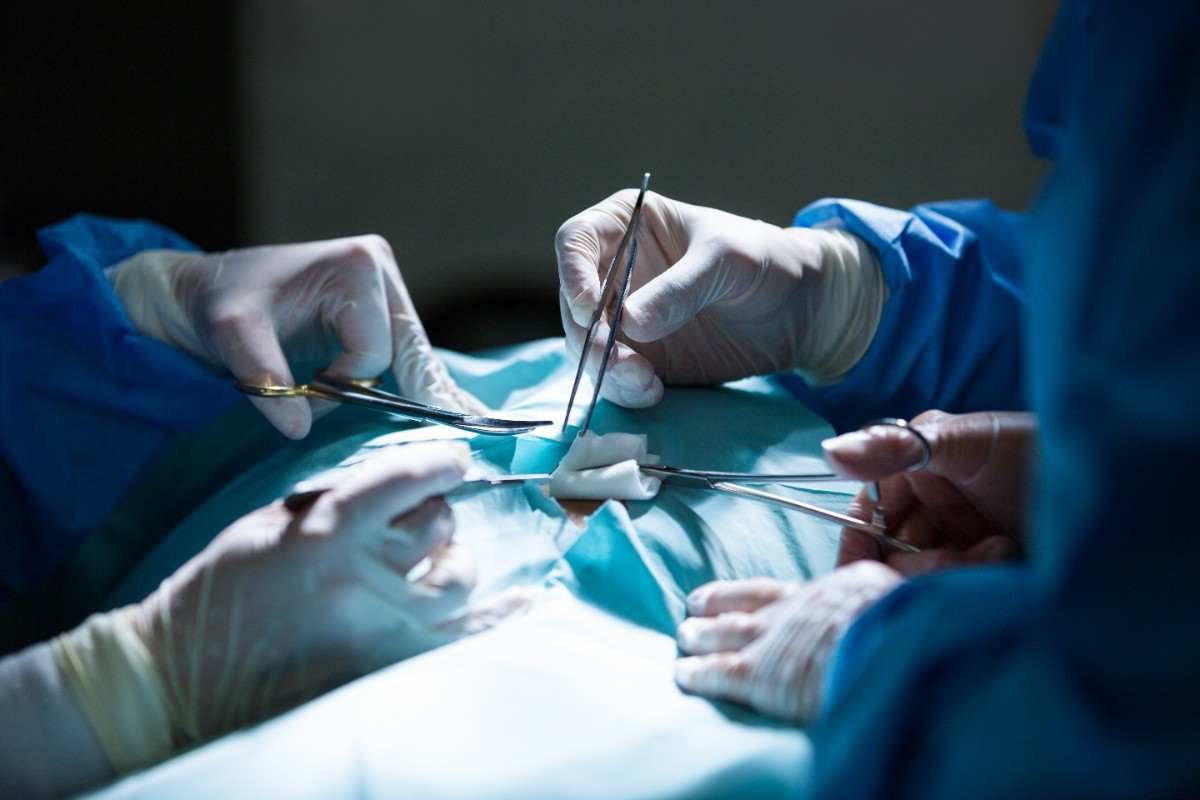
Laparoscopic surgery is a minimally invasive surgical technique used to diagnose or treat various abdominal and pelvic conditions. Instead of making a large incision, the surgeon uses a small camera called a laparoscope and specialised instruments through small openings in the abdomen. This approach may result in smaller incisions, less discomfort, and a shorter recovery period compared with some traditional open surgeries.
Laparoscopic procedures may be used for conditions such as gallbladder problems, hernia, appendicitis, ovarian conditions, and other abdominal or gynaecological concerns, depending on the patient’s diagnosis. Before surgery, the doctor evaluates the patient’s medical history, symptoms, examination findings, and required diagnostic reports to determine whether laparoscopic surgery is appropriate.
At Rudra Fracture Hospital and Diagnostics, Greater Noida, patients can receive medical evaluation and guidance for surgical conditions based on their individual healthcare needs. After laparoscopic surgery, patients may be advised to follow specific instructions regarding medicines, diet, physical activity, wound care, and follow-up visits.
While laparoscopic surgery can offer several advantages, it is not suitable for every patient or every condition. A qualified surgeon should assess the individual case and explain the expected benefits, risks, alternatives, and recovery process before treatment.
How orthopedic consultation and treatment are planned.
Consultation
Our orthopedic team reviews symptoms, injury history, pain level, movement limits, and any urgent concerns.
Diagnosis
Clinical examination and required diagnostics help identify fractures, joint problems, soft-tissue injuries, or related conditions.
Treatment Plan
A clear care plan is suggested, including medicines, immobilization, procedures, surgery, physiotherapy, or follow-up support.
Follow-up Care
Follow-up visits help track healing, restore mobility, manage pain, and guide a safer return to daily activity.